Gantry cranes are indispensable in various industries, facilitating the efficient movement of heavy loads. Among these, the 30-ton gantry crane stands out due to its versatility and capacity. A significant factor influencing its performance and cost is the steering mode employed. This article delves into the price implications of advanced steering modes in 30-ton gantry cranes, examining how these systems impact initial costs, operational efficiency, maintenance, and overall return on investment.
Understanding Steering Modes in Gantry Cranes
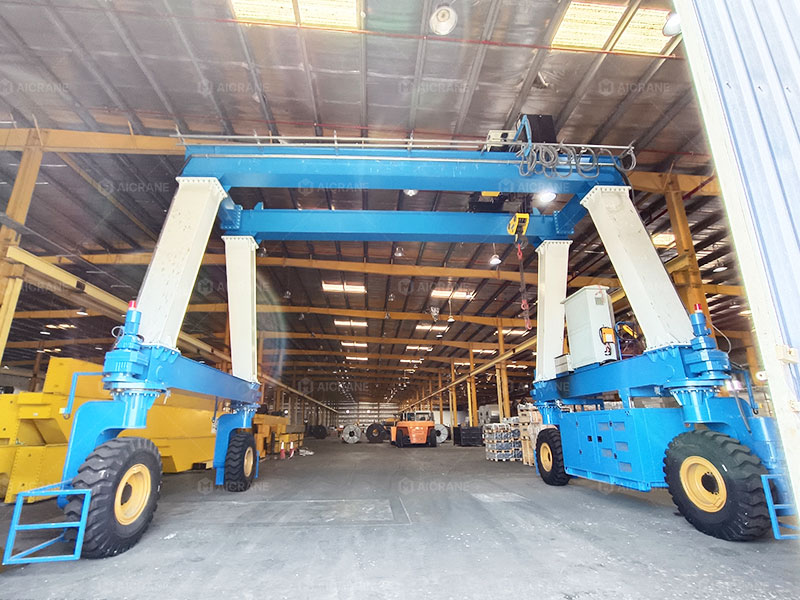
Steering modes in a 30 ton gantry crane for sale determine how the crane maneuvers within its operational environment. The primary steering configurations include:
-
Two-Wheel Steering (2WS): Involves steering only the front wheels, offering basic maneuverability suitable for straightforward tasks.
-
Four-Wheel Steering (4WS): Enables all four wheels to steer, enhancing maneuverability, especially in confined spaces.
-
Crab Steering: Allows the crane to move sideways, facilitating precise positioning without altering its orientation.
-
Diagonal Steering: A combination of front and rear wheel steering, enabling diagonal movement for optimal space utilization.
Each steering mode offers distinct advantages and is chosen based on specific operational requirements.
Impact on Initial Purchase Price
The integration of advanced steering systems significantly influences the initial purchase price of gantry crane 30 ton. Cranes equipped with 4WS or crab steering mechanisms are more complex and require additional components, such as specialized axles, hydraulic systems, and control units. These enhancements lead to higher manufacturing costs, which are reflected in the purchase price.
For instance, a standard 30-ton gantry crane with basic steering mechanisms may be priced between $100,000 and $150,000. In contrast, models featuring advanced steering modes can range from $150,000 to $200,000 or more, depending on the complexity and customization of the steering system.
Operational Efficiency and Cost Savings
Advanced steering modes contribute to improved operational efficiency, which can offset the higher initial investment over time. Key benefits include:
-
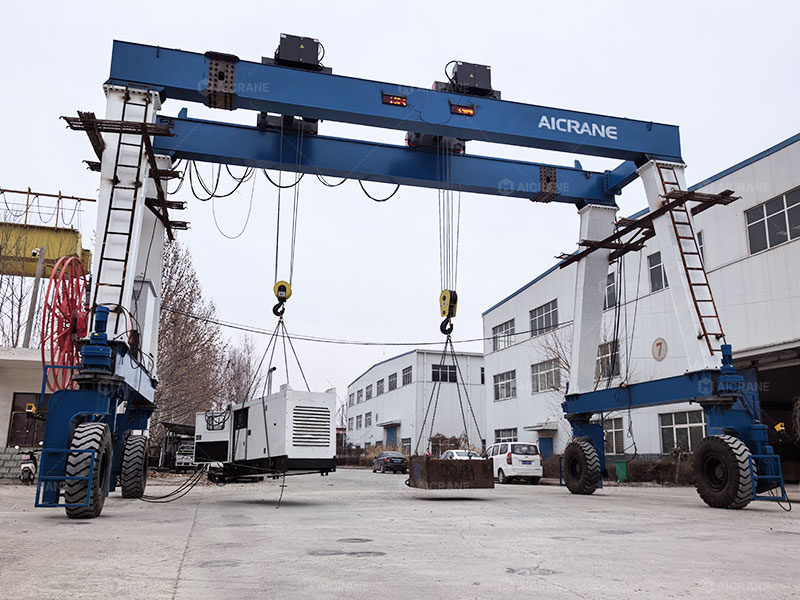
Enhanced Maneuverability: Wheeled gantry cranes with 4WS or crab steering can navigate tight spaces and complex layouts with ease, reducing the time spent repositioning loads.
-
Increased Throughput: The ability to move loads more efficiently leads to higher throughput, optimizing operational workflows.
-
Reduced Labor Costs: Improved maneuverability minimizes the need for manual adjustments and personnel involvement, leading to labor cost savings.
-
Decreased Downtime: Efficient steering reduces the likelihood of operational delays, ensuring consistent productivity.
While the upfront cost is higher, the long-term savings in operational expenses can make advanced steering modes a cost-effective choice.
Maintenance Considerations
The complexity of advanced steering systems necessitates more intricate maintenance procedures. Components such as hydraulic pumps, steering actuators, and electronic control units require regular inspection and servicing. While this may lead to increased maintenance costs, the durability and reliability of these systems often result in fewer breakdowns and extended service life, balancing the maintenance expenses over time.
Moreover, the availability of specialized technicians and spare parts for advanced steering systems can influence maintenance costs. Investing in training for maintenance personnel and establishing a reliable supply chain for components can mitigate potential challenges.
Return on Investment (ROI)
The decision to invest in a 30-ton gantry crane with advanced steering modes should consider the anticipated return on investment. Factors influencing ROI include:
-
Operational Demands: High-frequency operations in confined spaces benefit more from advanced steering systems, justifying the higher initial cost.
-
Project Duration: Long-term projects with consistent lifting requirements can achieve quicker payback periods through enhanced efficiency.
-
Cost of Downtime: Industries where downtime results in significant financial losses may find the reliability of advanced steering systems invaluable.
-
Resale Value: Cranes with advanced features often retain higher resale values, providing better returns if the equipment is sold or upgraded.
A thorough cost-benefit analysis, considering both tangible and intangible factors, is essential to determine the financial viability of investing in advanced steering modes.
Industry Trends and Technological Advancements
The crane manufacturing industry is witnessing continuous advancements in steering technologies. Innovations such as automated steering systems, GPS-guided navigation, and integration with warehouse management systems are enhancing the capabilities of movable gantry cranes. These technologies not only improve steering precision but also contribute to predictive maintenance and data-driven decision-making.
Adopting such technologies can lead to further cost savings and efficiency improvements. However, the integration of these advanced systems requires careful consideration of compatibility with existing infrastructure and potential training requirements for operators.
Conclusion
In conclusion, the integration of advanced steering modes in 30-ton gantry cranes introduces higher initial costs but offers substantial benefits in terms of operational efficiency, maintenance, and return on investment. Industries operating in environments requiring high maneuverability and precision handling can justify the investment in advanced steering systems through the long-term savings and enhanced productivity they provide.
When considering the purchase of a 30-ton gantry crane, it is crucial to evaluate the specific operational needs, budget constraints, and potential ROI. Collaborating with reputable manufacturers and consulting with industry experts can aid in making an informed decision that aligns with both financial and operational objectives.
By understanding the price implications and benefits of advanced steering modes, businesses can make strategic investments that enhance their material handling capabilities and contribute to overall operational success.