Overhead cranes are essential tools in industries ranging from steel mills and warehouses to shipyards and construction sites. They are designed to lift, move, and place heavy loads with precision and efficiency. However, not all lifting operations are the same. Understanding the difference between continuous lifting and intermittent lifting is critical for selecting the right crane, ensuring safe operation, and optimizing performance. This article delves into the concepts of continuous and intermittent lifting, their practical implications, and best practices for overhead crane load handling.
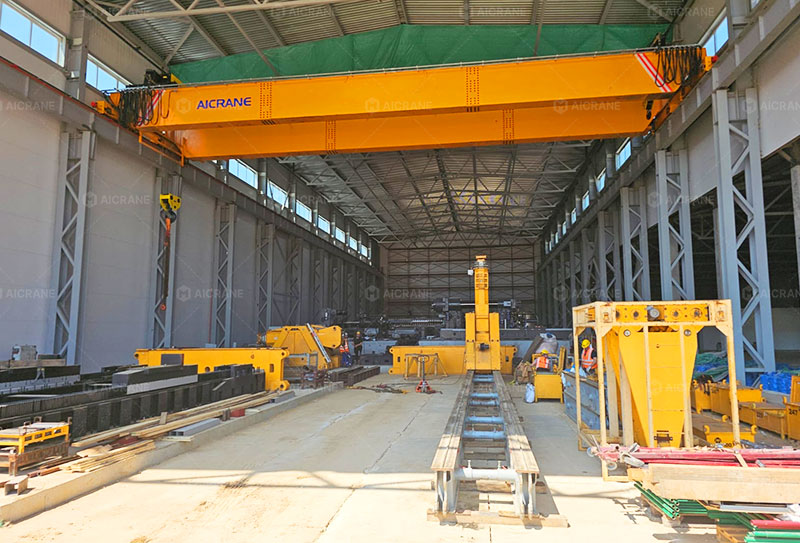
Understanding Overhead Crane Load Handling
An overhead crane for sale typically consists of a bridge that spans the workspace, a hoist mechanism for lifting and lowering loads, and a trolley that moves the hoist along the bridge. The crane travels along rails mounted on the building structure, allowing movement in multiple directions. Operators rely on cranes for precise positioning of materials, especially in environments where manual lifting is impractical or unsafe.
The way a crane handles loads – whether continuously or intermittently – affects its operational efficiency, the lifespan of its components, and the safety of both workers and materials.
What is Continuous Lifting?
Continuous lifting refers to lifting operations where the crane hoist handles a load without prolonged pauses or interruptions during the lifting cycle. This is typically seen in production lines, assembly operations, or material transfer processes where items need to be moved efficiently and consistently.
Characteristics of Continuous Lifting
-
Smooth Motion: The hoist lifts the load at a consistent speed, reducing jerks and vibrations.
-
High Duty Cycle: Cranes performing continuous lifting often operate at a high duty cycle, meaning the heavy duty overhead crane is in motion for a significant portion of the workday.
-
Steady Load Handling: Loads are maintained in a relatively constant state, avoiding frequent stopping, which can stress mechanical components.
Applications
-
Assembly Lines: Moving components along production lines where timing is critical.
-
Warehouse Operations: Transferring goods from storage racks to transport vehicles or other storage areas.
-
Steel Production: Lifting billets, slabs, or coils in sequence without stopping.
Benefits
-
Increased Efficiency: Continuous movement reduces cycle time, improving overall productivity.
-
Reduced Mechanical Stress: Smooth lifting reduces wear and tear on the hoist, gears, and wire ropes.
-
Better Process Flow: Helps maintain consistency in manufacturing or material handling processes.
Considerations
Continuous lifting requires careful planning to ensure that the crane’s duty class matches the intended workload. Overloading a crane designed for intermittent lifting with continuous operations can lead to overheating, premature wear, and potential failures.
What is Intermittent Lifting?
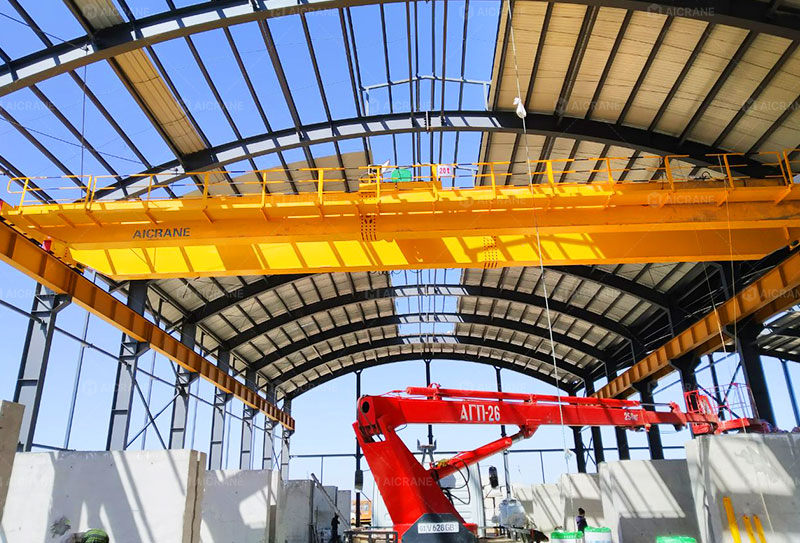
Intermittent lifting, on the other hand, occurs when the crane stops and starts frequently, or lifts loads sporadically. This is common in maintenance operations, construction projects, or tasks that involve irregularly sized or shaped loads.
Characteristics of Intermittent Lifting
-
Frequent Stops: The hoist lifts, pauses, lowers, or moves a load intermittently.
-
Lower Duty Cycle: Light duty overhead cranes performing intermittent lifting often have periods of inactivity between lifts.
-
Variable Load Handling: Loads may vary in weight, size, or attachment method, requiring operator adjustments between cycles.
Applications
-
Construction Sites: Lifting beams or precast concrete units at varying heights and locations.
-
Maintenance Work: Moving machinery parts or tools intermittently.
-
Custom Fabrication: Handling irregular or oversized materials that do not allow for continuous movement.
Benefits
-
Flexibility: Handles a wide variety of loads and lifting scenarios.
-
Reduced Immediate Stress: Short lifting cycles with pauses allow cooling and prevent overuse of the crane components in a single burst.
-
Safety: Operators can adjust positioning, check connections, and secure loads between lifts.
Considerations
Even though intermittent lifting seems less demanding, it requires precise operator control and careful planning to avoid cumulative wear. Frequent starting and stopping can stress motors, brakes, and gears if the crane isn’t rated for this type of operation.
Key Differences Between Continuous and Intermittent Lifting
| Feature | Continuous Lifting | Intermittent Lifting |
|---|---|---|
| Operation Style | Constant, smooth motion | Start-stop, variable motion |
| Duty Cycle | High | Low to moderate |
| Applications | Production lines, warehouses, steel mills | Construction, maintenance, custom fabrication |
| Load Consistency | Consistent, predictable | Variable, irregular |
| Impact on Crane Components | Less sudden stress, smoother wear | Potential stress from frequent starts/stops |
| Efficiency | High | Moderate |
| Flexibility | Limited to consistent loads | High, handles irregular or oversized loads |
Understanding these differences is essential for crane selection and planning. EOT crane manufacturers often classify cranes based on their duty classification, which indicates how much and how often a crane can lift safely. For example, an A5 duty class crane can handle frequent, moderate lifts, while a lower class like A3 may only be suitable for intermittent operations.
Safety Considerations
Whether lifting is continuous or intermittent, safety is paramount:
-
Load Limits: Never exceed the crane’s rated capacity for the type of operation.
-
Inspection: Regularly check hoist wires, hooks, brakes, and motors.
-
Operator Training: Operators should be trained to handle both continuous and intermittent lifting scenarios.
-
Dynamic Factors: Be aware of load swing, momentum, and stopping forces, especially during intermittent lifting.
-
Environmental Conditions: Ensure cranes are suited for the operating environment – dust, temperature, humidity, and corrosive conditions can affect performance.
Optimizing Load Handling for Both Lifting Types
-
Select the Right Crane: Match crane duty class and hoist speed to the type of lifting operation.
-
Use Appropriate Attachments: Slings, spreader bars, or custom lifting attachments improve load stability and safety.
-
Monitor Load Movements: Digital load monitoring systems help track lifting cycles and ensure loads stay within safe limits.
-
Regular Maintenance: Preventative maintenance schedules should account for the lifting style to maximize crane longevity.
-
Plan Lifting Paths: Reduce unnecessary stops and starts for intermittent lifts, and ensure continuous lifting paths are clear and obstruction-free.
Conclusion
Understanding the distinction between continuous and intermittent lifting is vital for anyone involved in overhead crane operations. Continuous lifting provides efficiency and smooth handling for repetitive tasks, while intermittent lifting offers flexibility and adaptability for irregular or sporadic loads. By assessing operational requirements, duty cycles, and load characteristics, companies can select the right crane, optimize performance, and maintain safety.
Ultimately, the success of any lifting operation depends on matching the crane to the workload, training operators, and maintaining equipment in optimal condition. Whether your operations require continuous, seamless movements or precise, intermittent handling, a well-chosen overhead crane will ensure productivity, safety, and longevity.